
Microneedling vs Chemical Peels: Which Treatment Wins Fall
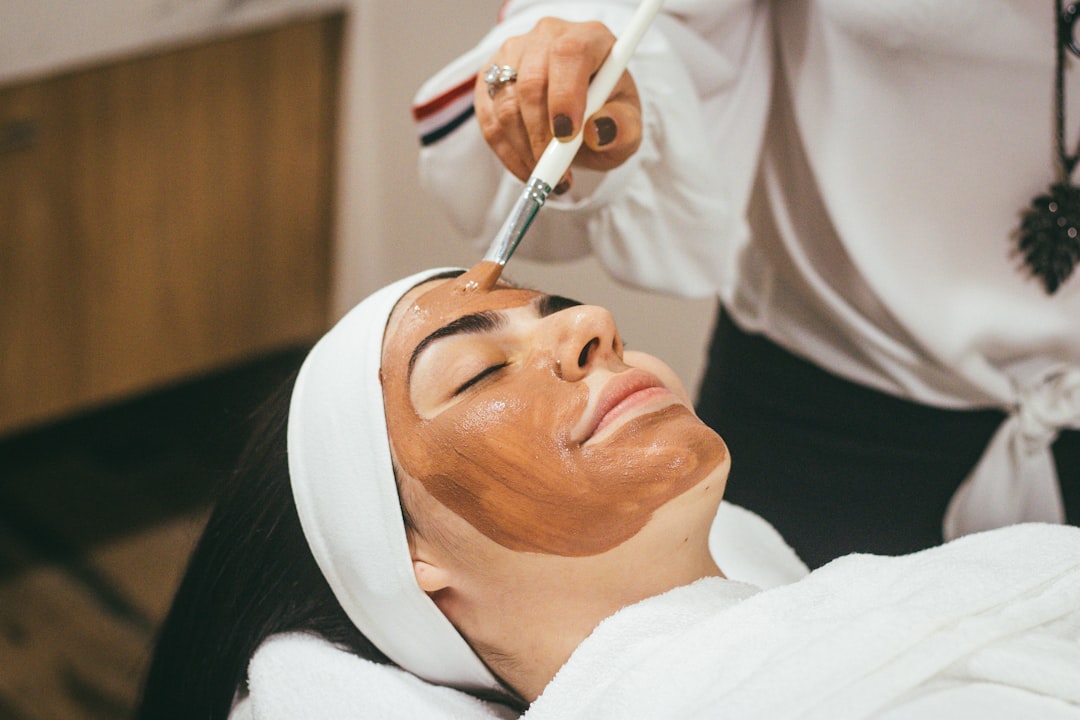
Fall is the quiet favorite season for skin resurfacing in Denver — and if you've been thinking about leveling up your skincare routine once the summer sun backs off, you're already thinking about it at the right time. The question most people land on pretty quickly is this: microneedling or a chemical peel?
Both treatments resurface and refresh the skin. Both can address texture, tone, and signs of aging. But they work differently, they're right for different skin concerns, and they recover differently. Choosing between them — or deciding to combine them — really comes down to understanding what your skin actually needs.
Let's walk through it.
What Microneedling Actually Does
SkinPen Microneedling uses a device with ultra-fine needles to create thousands of controlled micro-channels in the skin. That sounds more dramatic than it feels, but the mechanism matters: those tiny injuries trigger your skin's natural healing response, which means new collagen and elastin production.
The results build over time. Most people see their best improvements a few months after a series of treatments, which is exactly why fall is such a smart time to start — you're setting yourself up to walk into the new year with noticeably better skin.
Microneedling is particularly well-suited for:
- Fine lines and early wrinkles
- Acne scars and textural irregularities
- Enlarged pores
- Mild skin laxity
- Overall skin quality and radiance
It works across a wide range of skin tones and types, which makes it one of the more versatile resurfacing options available. At AOB, we use SkinPen, the first FDA-cleared microneedling device on the market — and we often pair it with exosomes to amplify and accelerate the healing response.
What Chemical Peels Actually Do
Chemical peels use carefully formulated acids — glycolic, salicylic, lactic, TCA, and others depending on peel depth — to dissolve the outermost layers of skin and accelerate cell turnover. The result is a controlled exfoliation that clears away dull, damaged surface cells and encourages fresh skin to emerge underneath.
Unlike microneedling, peels work primarily at the surface level (with deeper peels reaching into the mid-dermis), making them particularly effective for pigmentation issues, sun damage, and uneven tone. Fall is the ideal time to do them because the reduced sun exposure gives your newly revealed skin the low-UV environment it needs to heal well and hold its results.
Chemical peels are especially effective for:
- Sun damage and hyperpigmentation
- Melasma and dark spots
- Dullness and uneven skin tone
- Surface-level fine lines
- Acne-prone skin (certain peel formulations)
- Rough or congested texture
Peel depth is everything. A light peel has minimal downtime and is great for maintenance and glow. A medium-depth peel addresses more significant sun damage and pigmentation but requires a few days of peeling and recovery. Your provider will help you choose the right depth based on your skin's current condition and your schedule.
Microneedling vs Chemical Peel: The Key Differences
Here's an honest side-by-side to help you think it through:
| Category | Microneedling | Chemical Peel |
|---|---|---|
| Primary mechanism | Collagen induction via controlled injury | Controlled chemical exfoliation |
| Best for | Texture, scars, fine lines, laxity | Pigmentation, tone, sun damage, dullness |
| Skin tone suitability | Wide range of skin tones | Varies by peel depth and type |
| Results timeline | Builds over weeks to months | Visible within 1–2 weeks post-peel |
| Downtime | Mild redness 24–48 hours | Light to moderate peeling, 3–7 days |
| Series needed? | Typically 3–6 sessions | Can be effective as a single treatment or series |
| Ideal season | Fall and winter (lower UV) | Fall and winter (lower UV) |
Neither one is universally better. They're just better for different things.
When Microneedling and a Chemical Peel Together Makes Sense
This is where things get interesting. If you're dealing with both textural concerns — acne scars, pores, fine lines — and pigmentation or tone issues, your provider might actually recommend microneedling and a chemical peel as part of a sequenced treatment plan.
These two treatments are not typically done on the same day. But when spaced appropriately, they complement each other extremely well. A chemical peel can clear the surface and address pigmentation first, and then microneedling can work deeper to rebuild collagen and smooth structural texture. Done as part of a thoughtful treatment series, the combination addresses the skin at multiple levels — something neither treatment achieves quite as well alone.
At AOB, this kind of sequenced planning is one of the things that makes a real difference. Jesica and Tara don't just book you for a single treatment — they look at the full picture of your skin, your goals, and your timeline, and build something that actually makes sense for you specifically.
What About Other Resurfacing Options?
Microneedling and chemical peels are two of the most approachable entry points into skin resurfacing, but they're not the only options at AOB. If your concerns run deeper or you're looking for more dramatic results, it's worth knowing about:
- HALO Laser: A hybrid fractional laser that works at both the surface and deeper layers simultaneously — ideal for significant sun damage, tone, texture, and signs of aging, all in one treatment.
- MOXI Laser: A gentler fractional laser that's great for skin maintenance, early sun damage prevention, and patients who want real results with minimal downtime.
- Tixel: A unique thermo-mechanical resurfacing treatment that delivers impressive skin renewal with very little discomfort and a controlled recovery.
- Morpheus8: Combines microneedling with radiofrequency energy for deeper collagen remodeling and skin tightening — particularly effective for laxity along the jawline and lower face.
These aren't upgrades for the sake of it — they're different tools that address different problems at different depths. The right one depends entirely on your skin.
Why Fall Is the Right Time for All of This
Denver's high altitude and intense sun make summer genuinely hard on freshly treated skin. Both microneedling and chemical peels leave your skin in a more photosensitive state, and the lower UV index of fall and winter means you're set up to heal well and protect your results naturally.
There's also a practical timing angle: if you start a series of microneedling treatments in September or October, you're finishing just in time for holiday events — and for the New Year's skin that makes people stop and ask what you've been doing differently.
How to Know Which One Is Right for You
Honestly, the best way to know is to have a conversation with a provider who will actually look at your skin rather than just hand you a menu. A few questions worth thinking about before your consultation:
- Is your primary concern texture and scars, or pigmentation and tone?
- How much downtime can you realistically work with?
- Are you looking for a single treatment or a longer-term plan?
- Have you had resurfacing treatments before, and how did your skin respond?
At AOB, consultations aren't rushed. Jesica and Tara take the time to understand what you're actually seeing in the mirror and what you want to feel walking out — and they'll tell you honestly whether microneedling, a chemical peel, a combination, or something else entirely is going to get you there.
Ready to Find Your Fall Resurfacing Plan?
If you've been sitting on this decision, fall is genuinely the right moment to act on it. Whether it's SkinPen Microneedling, a chemical peel, or a personalized combination approach, AOB's team in Denver will help you figure out exactly what your skin needs — and build a plan you'll actually feel good about.
Book your consultation today and let's take a real look at what fall can do for your skin.

More from our blog
Explore articles on skin care, treatments, and wellness.