
Patients Skipping Sunscreen Indoors Are Aging Faster Than Expected
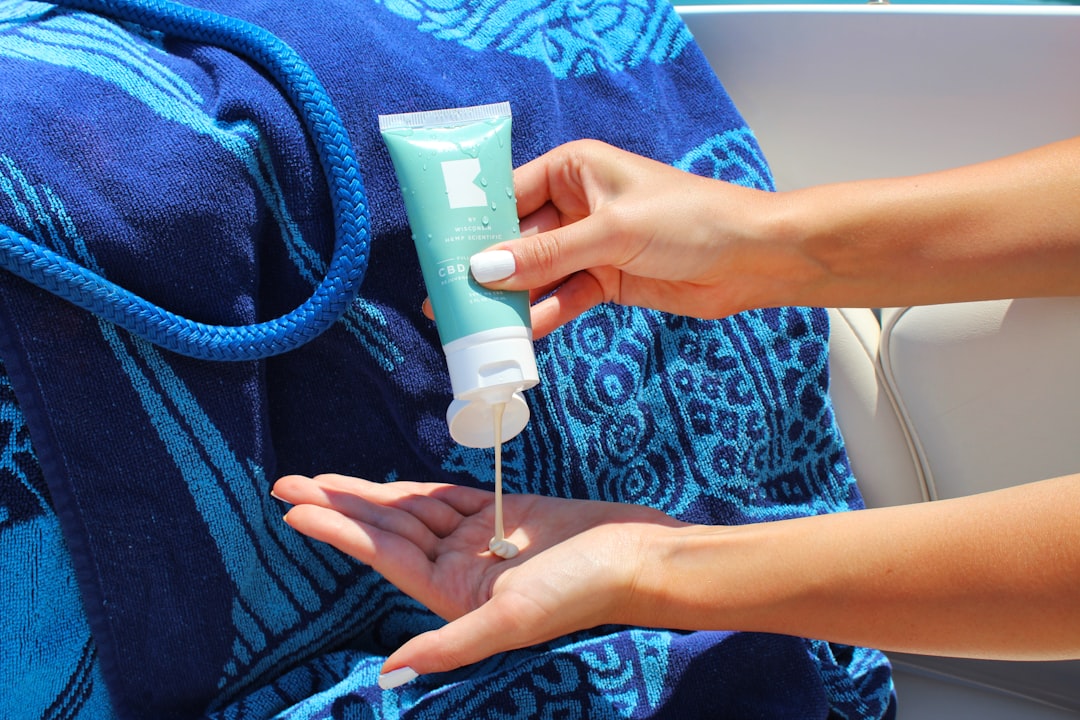
Most people have sunscreen figured out for the outdoors. Beach trip, ski day, Saturday errands — they're covered. But the question that keeps coming up in consultations at AOB Med Spa is a different one entirely: what about the hours spent inside, two feet from a glowing screen, under fluorescent office lights, with zero SPF on?
If your answer is "I don't need it indoors," you're not alone. You're also, unfortunately, accelerating the exact kind of skin aging you're trying to prevent.
Does Blue Light Actually Damage Skin?
Yes — and the research has gotten hard to ignore. Blue light, also called high-energy visible light (HEV), is emitted by the sun but also by every screen you stare at throughout the day: your laptop, your phone, your tablet, your TV. Unlike UV rays, blue light doesn't stop at a window. It passes right through glass, which means your home office setup, your car commute, and your evening Netflix habit all count. What blue light does to skin isn't dramatic or immediate — it's slow, cumulative, and easy to dismiss until it isn't. Studies have shown that blue light penetrates deeper into the skin than UVB rays, reaching the dermis where collagen and elastin live. There, it generates free radicals that trigger oxidative stress. Oxidative stress degrades collagen, disrupts the skin's natural repair processes, and — this one surprises a lot of patients — stimulates melanin production, which means it can worsen hyperpigmentation and brown spots even without any sun exposure. One study published in the Journal of Investigative Dermatology found that blue light caused more pigmentation and redness in deeper skin tones than comparable UV exposure. That's not a small finding.Why Indoor Skin Aging Catches People Off Guard
The reason so many patients are aging faster than they expected indoors comes down to a simple math problem: they've protected their skin from one category of light (UV) while leaving it completely unguarded against another (HEV). And the cumulative daily exposure to blue light from screens is substantial. Consider a typical workday. Eight to ten hours in front of a laptop. An hour of scrolling on a phone. Another hour or two of TV. That's twelve-plus hours of blue light exposure, every single day, with most people wearing nothing on their skin but a moisturizer. Altitude already accelerates skin aging faster than patients expect here in Denver — at 5,280 feet, the UV index is significantly higher than at sea level, and the dry, thin air creates its own kind of stress on the skin barrier. Add blue light into the equation, and the skin is working harder than it should just to stay even.How to Prevent Blue Light Skin Damage
The good news: this is one of the more manageable skin stressors to address, once you know what you're actually dealing with. Step one is sunscreen — even indoors. This surprises people, but it's not new advice among skin professionals. A broad-spectrum SPF 30 or higher worn daily, regardless of whether you plan to step outside, creates a meaningful baseline of protection. Look specifically for formulas that include iron oxides, zinc oxide, or titanium dioxide. These ingredients have been shown to provide the most reliable protection against visible light including blue light — traditional chemical sunscreens that only target UV wavelengths won't do the job here. If you're in Denver and navigating all the SPF confusion that comes with high-altitude living, this breakdown on sunscreen ratings and altitude is genuinely worth reading. Step two is antioxidants. If free radical damage is the mechanism through which blue light harms skin, antioxidants are the countermeasure. A well-formulated vitamin C serum applied in the morning before your SPF helps neutralize the oxidative stress generated by both UV and HEV light. Niacinamide is another heavy hitter — it supports the skin barrier, reduces inflammation, and has been shown to help with pigmentation. Just know that antioxidants alone have a ceiling. Vitamin C serums alone won't fix what Denver skin needs — they work best as part of a broader skin strategy. Step three is not underestimating what's already accumulated. Blue light damage, like UV damage, is cumulative. If you've been working from home for several years without any indoor photoprotection, there's likely oxidative stress that's already taken hold — not in a dramatic, visible way necessarily, but in the form of subtle collagen degradation, early pigmentation shifts, and a dullness that doesn't respond to moisturizer. That's where professional treatments come in.What Treatments Actually Help Reverse Blue Light Skin Damage
At AOB, the conversation about blue light almost always connects to a broader conversation about what the skin needs to stay healthy and ahead of the damage curve — not just protected, but actively renewed. MOXI laser is one of the most popular options for exactly this kind of damage. It's a gentle, non-ablative laser that targets early pigmentation and stimulates collagen production without significant downtime — which makes it ideal for patients who are seeing subtle changes they can't quite name but know something has shifted. It works particularly well for patients in their 30s and early 40s who want to address what's accumulating before it becomes a much bigger project. Forever Young BBL and BBL Hero use broadband light to target pigmentation, redness, and the kind of sun and light damage that builds up over years. There's compelling research showing that BBL doesn't just correct visible damage — it actually influences gene expression in the skin in ways that make it behave more like younger skin over time. That's a meaningful distinction. For patients dealing with more significant pigmentation changes — brown spots, uneven tone, the kind of discoloration that shows up most clearly in certain lighting — combining laser and light treatments often produces results that neither delivers alone. And if the conversation turns to collagen — which it usually does, because blue light degrades it and patients want it back — Sculptra and Morpheus8 are the treatments Jesica and Tara reach for most often. Sculptra stimulates your own collagen production gradually and naturally over several months. Morpheus8 combines radiofrequency energy with microneedling to tighten and resurface. The benefits of starting collagen stimulation earlier than you think you need to are genuinely worth understanding — it's not about vanity, it's about staying ahead of the math.The Skincare Routine Adjustments That Make a Real Difference
Beyond professional treatments, a few practical shifts in your daily routine go a long way: Apply your SPF before you sit down at your desk in the morning — not just before you head outside. This is the single most impactful habit change most people can make. If you're not wearing sunscreen indoors at all right now, starting there will do more for your long-term skin health than adding a new serum. Consider blue-light filtering screen settings or glasses if you're on screens for extended hours — while these don't eliminate skin exposure, reducing cumulative exposure across the day adds up. Pay attention to your skin barrier. Denver's dry air is notoriously tough on the barrier, and certain skincare habits don't survive contact with this climate at all. A compromised barrier makes the skin more vulnerable to every stressor, including blue light. A simple, consistent PM routine that includes a quality moisturizer and — if your provider has recommended it — a retinoid or tretinoin can make a significant difference in how resilient the skin stays.When to Have a Real Conversation About Your Skin
If you've been diligent about sunscreen outdoors but haven't thought much about what's happening during your workday, this is a good moment to reassess. The patients who age the most gracefully aren't the ones who do the most — they're the ones who understand what their skin is actually up against and build a strategy that addresses it honestly. The team at AOB Med Spa has those conversations every day. Jesica and Tara take the time to look at what's actually happening with your skin, explain what they're seeing in plain language, and make recommendations that are specific to you — not a generic protocol. There's no pressure, no upsell, no rushing. Just a clear picture of where your skin is, where it could go, and what actually makes sense given your goals and your life. If you're curious about what a personalized skin protection and renewal plan might look like for you, reach out to AOB Med Spa in Denver. The consultation is a conversation, not a sales pitch — and it's usually the most useful 30 minutes patients say they've spent thinking about their skin in years.
read More
More from our blog
Explore articles on skin care, treatments, and wellness.