
Surprising Reasons Botox Stops Working for Some Patients
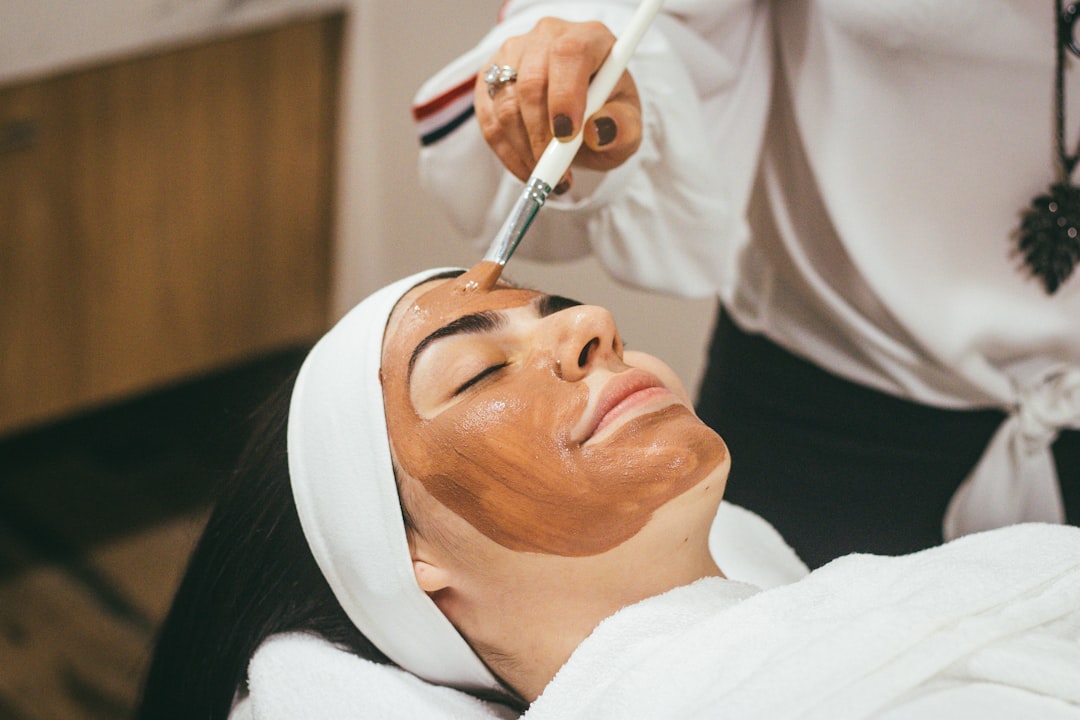
You got your Botox, loved the results, and then noticed something frustrating: it didn't last as long this time. Or maybe it never seemed to kick in the way you expected. You're not imagining it — and you're not alone. A significant number of patients come to us with exactly this experience, and the reasons behind it are more interesting than most people realize.
Understanding what makes Botox wear off faster — and where it goes when it does — isn't just satisfying science trivia. It helps you make smarter decisions about timing, lifestyle, and who you trust to administer your treatment.
First: Where Does Botox Actually Go When It Wears Off?
This is one of the most common questions we hear, and it has a genuinely reassuring answer. Botox doesn't accumulate in your body or get stored somewhere mysterious. The botulinum toxin works by temporarily blocking the signal between a nerve and a muscle. Over time, your body naturally metabolizes the protein and the nerve-muscle connection rebuilds — the muscle starts receiving signals again, movement gradually returns, and the treated lines slowly reemerge.
Think of it less like a switch being flipped off and more like a dimmer slowly turning back up. There's no dramatic moment when Botox "wears off." It's a gradual process that typically unfolds over three to four months, sometimes longer in well-placed, correctly dosed treatments.
So where does Botox go when it wears off? It's simply broken down and cleared by your body's normal metabolic processes — the same way your body handles countless other proteins. Nothing lingers. Nothing builds up. It's one of the reasons Botox has such an exceptional long-term safety record.
Why Botox Wears Off Faster for Some People
Here's where it gets interesting — because "my Botox only lasted two months" isn't just bad luck. There are usually identifiable reasons behind it.
Your Metabolism Is Working Against You
A faster metabolism means your body processes and clears the Botox protein more quickly. This is particularly relevant for patients who exercise intensely and frequently. High-output athletes — runners, cyclists, CrossFit regulars — often report noticeably shorter Botox duration compared to more moderately active patients. It's not that exercise is bad (it isn't), but if you're working out hard five or six days a week, your metabolic rate may genuinely be shortening your results.
Denver's active lifestyle culture is something we factor into treatment conversations regularly. If you're training hard, it's worth discussing with your provider so dosing and timing can be adjusted accordingly.
The Dose Was Too Low
This one is more common than patients expect, especially if they've been treated at a high-volume clinic where speed matters more than precision. Underdosing is one of the most predictable reasons Botox wears off faster — the muscle was never adequately relaxed to begin with, so it bounces back sooner.
A properly dosed treatment isn't just about the number of units. It's about understanding your individual muscle anatomy, the strength of your specific muscles, and how your face moves. Two patients sitting next to each other might need very different unit counts for the same area — and treating them identically is where results go sideways.
Incorrect Placement
Placement matters enormously. Botox injected slightly off-target can give partial results that fade more quickly, or no meaningful results at all in certain areas. This is why provider experience isn't a nice-to-have — it's the whole game. An experienced injector who has spent years studying facial anatomy and refining their technique will consistently deliver results that last longer and look more natural than someone working from a memorized map.
Muscle Strength and Activity
Some people simply have stronger, more active facial muscles than others. People who are highly expressive — those who animate a lot when they talk, laugh, or emote — tend to metabolize Botox faster in areas like the forehead and crow's feet because those muscles are working harder and more frequently. This isn't a flaw; it's just anatomy. The solution is usually a modest increase in dosing combined with consistent treatment intervals to help train the muscle over time.
Stress and Cortisol
Chronic stress elevates cortisol levels, and cortisol is known to affect how quickly the body metabolizes certain compounds. If you've been under sustained pressure — a demanding job, a difficult life season — and noticed your Botox results seem shorter, there may be a physiological connection worth acknowledging. It's one of those factors that's genuinely hard to control but helpful to understand.
Your Body Has Built Up a Resistance
True Botox resistance — where the body produces antibodies that neutralize the toxin — is rare but real. It's more likely to develop in patients who receive very high doses very frequently, or who have had treatments at multiple locations with inconsistent products. If you've been getting Botox for years and feel like it's gradually stopped working the way it used to, this is worth discussing with a provider who can assess whether resistance may be a factor and whether an alternative neuromodulator like Dysport might deliver better results for you.
Zinc Deficiency
This one surprises almost everyone. Research has suggested that zinc plays a role in how effectively botulinum toxin is taken up by nerve cells. Some practitioners recommend zinc supplementation in the days leading up to and following a Botox treatment to potentially support and extend results. It's not a guaranteed fix, and the evidence is still emerging, but it's a low-risk addition worth asking about if you consistently feel like your results underperform.
Heat and Sun Exposure Right After Treatment
The first 24 to 48 hours after Botox are critical. Significant heat — saunas, hot yoga, direct prolonged sun exposure — can increase blood flow and potentially cause the product to diffuse more than intended before it has fully settled. This matters for both the quality and longevity of your results. In Colorado's summer months especially, this is a conversation worth having with your injector about timing. If you're already thinking about timing your Botox before summer, the days immediately after treatment deserve the same attention as the appointment itself.
When Botox Wears Off: What You'll Notice
The return of movement is gradual. Most patients notice that expression lines start to reappear softly around the three-month mark — first as fine lines when the face is moving, then slowly becoming more pronounced at rest. This is normal and expected. What isn't normal is results that fade significantly before six weeks, or results that never seemed to fully take effect in the first place. Both of those patterns are worth flagging with your provider so the cause can be identified and addressed.
Consistent treatment intervals also play a meaningful role in how long Botox lasts over time. Patients who stay on a regular schedule — typically every three to four months — often find their results gradually extend, because the muscle has been consistently relaxed and hasn't had the chance to fully rebuild its strength between appointments. It's one of the compelling arguments for starting Botox earlier and staying consistent, rather than waiting until lines are deeply set.
The Difference a Great Injector Makes
A lot of what we've described above comes back to the same root: who is doing your Botox matters more than almost any other variable. The right provider isn't just someone who knows the anatomy — they're someone who listens carefully to your history, pays attention to how your specific face moves, adjusts dosing based on your individual muscle activity, and follows up to understand how your results actually landed.
At AOB Med Spa, Jesica and Tara bring more than 15 years of combined experience and genuine curiosity to every treatment. They're not administering Botox on autopilot. They're thinking about your face, your goals, and your patterns — and adjusting accordingly. If you've been frustrated by inconsistent results elsewhere, that conversation is one they genuinely welcome.
If you're curious how Botox might fit into a broader treatment plan — whether that's alongside laser work, Morpheus8, or combined with filler in the same visit — the team is happy to walk you through what actually makes sense for where you are right now.
There's no pressure. Just an honest conversation with people who treat your face like it matters — because to them, it genuinely does.
Ready to talk through what's been happening with your results? Reach out to AOB Med Spa in Denver to schedule a consultation with Jesica or Tara.
More from our blog
Explore articles on skin care, treatments, and wellness.