
Under-Eye Hollows Disappear With This One Filler Technique
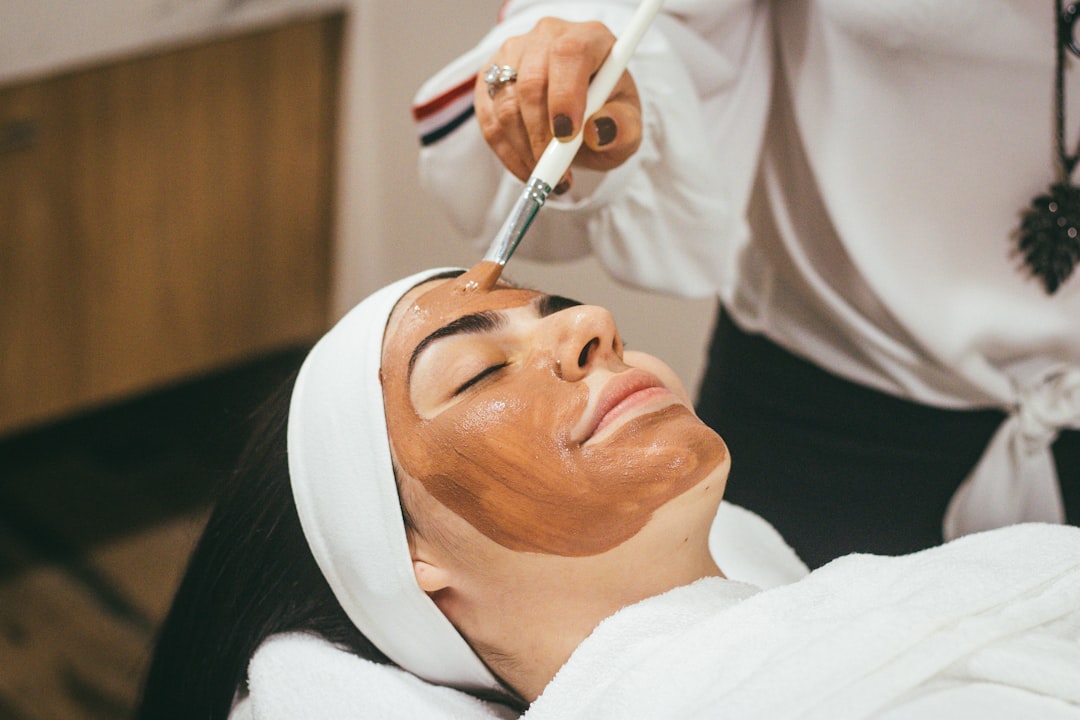
There's a specific kind of frustration that comes with under-eye hollows. You sleep eight hours, drink your water, do everything right — and you still look like you haven't slept in days. People ask if you're tired. You just look... drawn. And no amount of concealer quite covers it.
The hollow under your eye — the tear trough — is one of the first places the face shows volume loss. It often has nothing to do with how rested you are or how well you're aging. It's anatomy. And once you understand that, the path to fixing it becomes a lot clearer.
What's Actually Happening Under Your Eyes
The tear trough is the groove that runs from the inner corner of your eye down toward the cheek. When you're young, this area is smooth — the undereye transitions seamlessly into the cheek with no visible depression. As volume shifts with age (or sometimes just due to genetics), that transition becomes more pronounced. You get a shadow. A hollow. A look of permanent fatigue.
In some cases, the issue isn't purely about lost volume in the trough itself — it's about volume loss in the cheeks below. When mid-face volume drops, the under-eye area is left looking more sunken by comparison. This is why treating the tear trough in isolation doesn't always work, and why a thorough assessment before treatment matters more than most people realize.
What Tear Trough Filler Actually Does
Tear trough filler uses a carefully placed hyaluronic acid filler to restore volume to that sunken groove. When done well, the result is subtle and immediate: the shadow softens, the hollow fills, and your face simply looks more rested. Not altered. Not puffy. Just — better.
The key phrase there is "done well." Tear trough filler is one of the most technique-sensitive treatments in aesthetics. The skin under the eye is thinner than almost anywhere else on the face, which means overfilling, wrong product selection, or incorrect placement depth can create problems that are more visible here than they would be elsewhere. This is not a place to cut corners or try someone new.
At AOB Med Spa, Jesica and Tara approach the tear trough with a level of precision that comes from years of experience and a genuine commitment to results that look natural. They're not filling a trough — they're reading a face.
The Technique That Makes the Difference
Not all fillers behave the same way under the eye, and not all injection techniques are appropriate for this area. The providers at AOB use a cannula technique in most tear trough cases — a blunt-tipped flexible needle that glides through tissue rather than piercing it repeatedly. This approach significantly reduces bruising, minimizes trauma to the delicate undereye structures, and allows for more precise product placement.
Product selection matters just as much. Restylane Eyelight is one of the few fillers specifically designed and FDA-cleared for the tear trough. It has a unique cross-linking technology that reduces the risk of the Tyndall effect — a bluish discoloration that can appear when filler absorbs water and becomes visible through thin skin. Using the right product in the right hands makes a meaningful difference in both safety and outcome.
In some cases, especially when mid-face volume loss is contributing to the appearance of under-eye hollows, the better approach is to treat the cheeks first and let that structural support naturally improve the tear trough. JUVÉDERM Voluma or Restylane Lyft are often used in the mid-face for this reason. Your provider will tell you honestly which approach — or combination — makes the most sense for your anatomy.
What to Expect: Tear Trough Filler Before and After
Most patients see a meaningful improvement immediately after treatment, though some initial swelling is normal in the first 24 to 48 hours. The final result typically settles within one to two weeks. What you'll generally notice in tear trough filler before and after comparisons is not a dramatic transformation — it's a quiet one. The shadows are gone. The hollowness is gone. You look like yourself, just more rested.
Results typically last anywhere from nine months to well over a year, depending on the product used, the amount placed, and your individual metabolism. Some patients find that with consistent treatment, they need less product over time as the tissue responds. How long fillers last varies by area and product, and your provider will give you a realistic timeline based on your specific case.
Downtime is minimal for most patients. Some mild bruising or swelling is possible, particularly if a needle technique is used rather than a cannula. Most people return to normal activities the same day or the next morning.
What About Botched Tear Trough Filler?
It's worth addressing this directly, because it's a real concern and people search for it for good reason. Botched tear trough filler — whether it presents as puffiness, persistent swelling, a bluish tint beneath the skin, or uneven results — almost always comes down to one of three things: wrong product, wrong depth, or too much volume placed at once.
The good news is that hyaluronic acid fillers are reversible. An enzyme called hyaluronidase can dissolve the product safely and relatively quickly. If you've had a previous treatment elsewhere that didn't go the way you hoped, that's not a permanent situation. AOB's providers are experienced at assessing prior filler work and developing a plan — whether that means dissolving and starting fresh, or simply letting things settle before adding anything new. You can read more about that process in this piece on what actually happens when filler is dissolved.
If you've had concerns about filler placement in any area, the guide on filler migration, signs, and prevention is also worth a read before your consultation.
Is Tear Trough Filler Right for You?
Not everyone is an ideal candidate. Patients with significant skin laxity, prominent fat pads, or festoons (those fluid-filled mounds sometimes seen below the eye) may not see the results they're hoping for from filler alone, and a good provider will tell you that before taking your money. In those cases, other options like Morpheus8 for skin tightening, or a referral for surgical evaluation, might be more honest recommendations.
For patients with true volume loss in the tear trough — which is the most common presentation — filler can be genuinely life-changing in the most understated way. You stop reaching for extra concealer. You stop hearing "you look tired." You just look like you.
If you're also thinking about the broader picture of facial rejuvenation, the tear trough rarely exists in isolation. Patients who address the under-eye area often find that combining Botox and filler in the same visit delivers results that feel more cohesive — softening crow's feet while restoring volume creates a balanced outcome that neither treatment achieves alone. For deeper volume restoration across the face, Sculptra is another option worth exploring; you can find a detailed breakdown in this Sculptra results timeline.
Why the Provider Matters More Here Than Anywhere Else
We say this with full awareness that every med spa says something like it — but in the tear trough, it's simply true. The anatomy is unforgiving. The skin is thin. The margin for error is narrow. And the consequences of a careless approach are visible in a way that other areas of the face are not.
AOB has been doing this for over 15 years, with more than 400 five-star reviews and a reputation built on patients who come back — not because they have to, but because they trust what happens here. Jesica and Tara bring an eye for detail and a genuine investment in each patient's outcome that shows in the results. Every consultation is unhurried. Every treatment is customized. And if filler isn't the right answer for your under-eye concerns, they'll tell you that too.
If you're ready to stop looking tired and start looking like yourself again, this is where that conversation begins.

More from our blog
Explore articles on skin care, treatments, and wellness.