
Stress Is Aging Denver Faces Faster Than Sun Damage
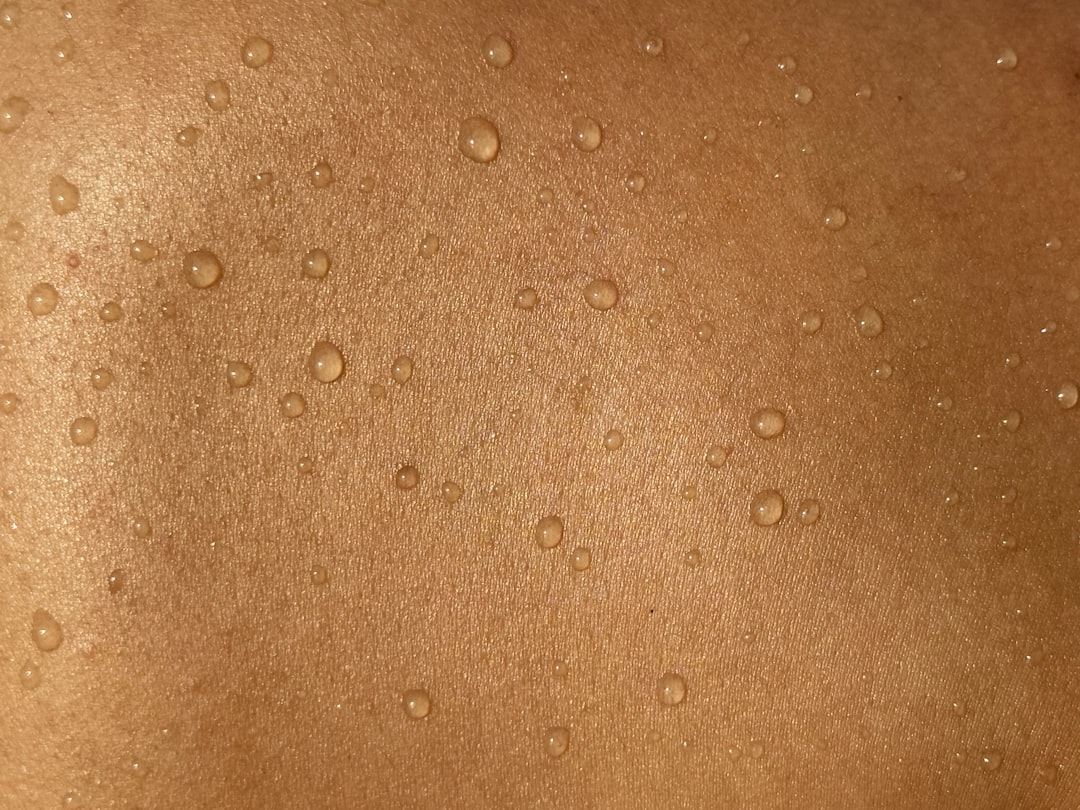
Denver patients have heard it a thousand times: the sun at altitude is brutal on skin. What most haven't heard is that the stress they're carrying to their 8am meetings might be doing more damage than a decade of ski weekends. We see it constantly at AOB — someone comes in convinced their dullness, fine lines, and sagging are purely sun-related, and while altitude accelerates skin aging in real and measurable ways, cortisol is quietly running its own aging program underneath it all.
What Cortisol Actually Does to Your Face
Cortisol is your body's stress hormone, and in short bursts it's harmless — even useful. The problem is chronic elevation, which is exactly what happens when you're juggling back-to-back calls, a commute, kids' schedules, and a nervous system that never fully powers down. The cortisol effect on skin is well documented: it breaks down collagen and elastin, slows cell turnover, thins the dermis, and impairs the skin barrier's ability to hold moisture. The result is skin that looks older than it should — not from sun exposure, but from the inside out.
Patients describe it differently depending on where they notice it first. Some see it as new fine lines that weren't there a year ago. Others notice their skin looks "tired" even after a full night's sleep, or that redness and sensitivity have crept in out of nowhere. All of these are consistent with what chronically elevated cortisol does to facial tissue — it's not one dramatic change, it's a slow erosion of resilience.
Sun Damage Is Visible. Cortisol Damage Is Sneaky.
Sun damage tends to announce itself — pigmentation, texture changes, visible photoaging that patients can point to and say "that's from summers on the lake." Sun damage treatments and prevention strategies exist for exactly this reason, and they work. Cortisol-driven aging is different. It shows up as a general loss of vitality — thinner skin, slower healing, a face that looks depleted rather than damaged. It's harder to name, which is part of why it's so often dismissed or missed entirely.
This is also why so many career-driven patients in Cherry Creek, Greenwood Village, and Parker come in feeling confused. They've done the sun damage reversal work, they wear SPF religiously, and yet something still looks off. Often, it's because the conversation never got around to what stress has been doing to their skin barrier and collagen supply in the background.
What Actually Helps
You can't Botox your way out of chronic stress, and we'd never suggest that's the goal. But there is real, clinical value in supporting the skin's ability to recover from what cortisol has already taken. Barrier-repairing, medical-grade Q Skin Care products are often the starting point we recommend in consultations — they help rebuild what topical drugstore routines simply can't reach, especially for patients whose skin has been under sustained physiological stress. From there, we tailor in-office support based on what we see.
HydraFacial is frequently the first step for patients whose skin needs hydration and barrier support restored before anything more intensive. For patients further along — where collagen loss is visible in laxity or thinning — Sculptra stimulates the body's own collagen production from within, which matters enormously when cortisol has been actively breaking that collagen down. Morpheus8 is another option we lean on for patients whose skin has lost firmness and needs both tightening and a rebuilt foundation, not just surface polish.
For patients earlier in the process — noticing early fine lines or a dullness they can't quite explain — exosome therapy has become one of our favorite tools for supporting cellular repair and turnover, which is precisely what cortisol slows down.
The Conversation We Actually Have With Patients
Nobody at AOB is going to tell you to quit your job or stop caring about your career. That's not realistic, and it's not our lane. What we can do is look at your skin honestly, ask about your life alongside your skincare routine, and build a plan that accounts for what's actually happening — not just what the mirror seems to suggest at first glance. If you've been chasing sun damage as the culprit and results haven't matched the effort, that's usually the sign something else, like sustained stress, is part of the picture. It's also why prejuvenation has become such a common conversation for younger patients — getting ahead of cortisol's effects is far easier than reversing them later.
If your skin has been telling you something your sunscreen can't fix, we'd love to sit down, take a real look, and figure out what's actually going on underneath it. That's the kind of care AOB has built its reputation on for over 15 years — unhurried, honest, and genuinely tailored to you.
More from our blog
Explore articles on skin care, treatments, and wellness.