
RF Microneedling Delivers Results Botox Simply Cannot Match
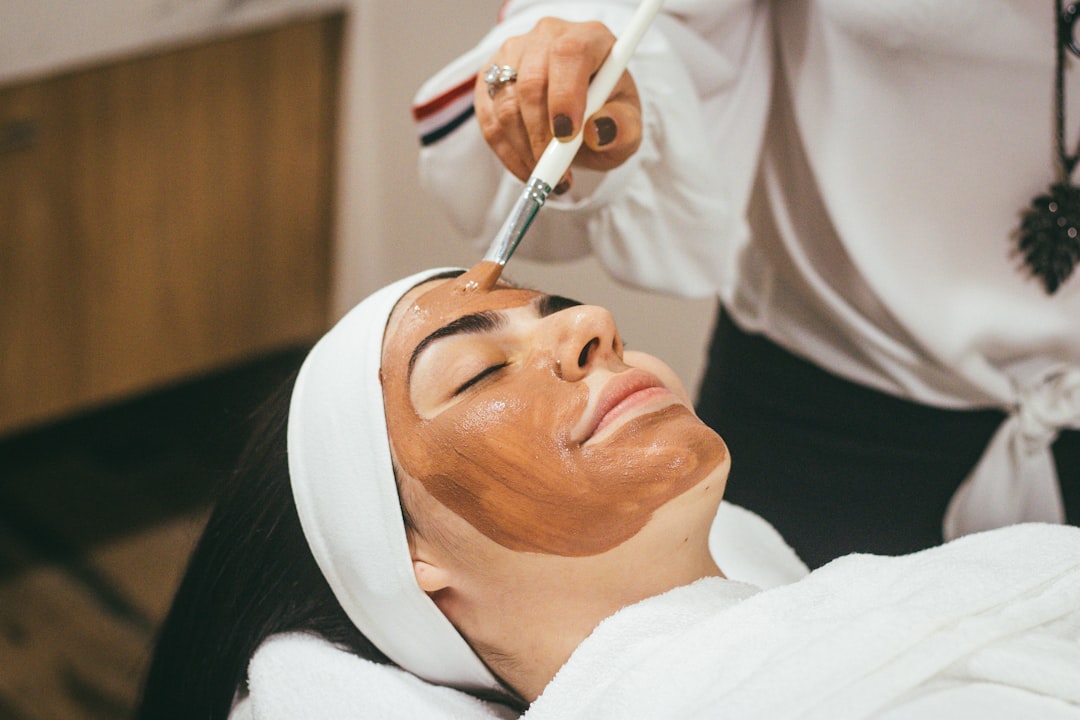
There's a conversation that comes up often at AOB Med Spa, and it usually starts something like this: "I've been doing Botox for years and I love it, but I feel like something is still... off." The forehead is smooth. The crow's feet are softened. But the skin itself — its firmness, its texture, the way it used to bounce back — that part hasn't changed. That's not a failure of Botox. That's simply a job it was never meant to do.
What Botox Actually Does (and What It Doesn't)
Botox works by temporarily relaxing the muscles responsible for dynamic wrinkles — the lines that form when you squint, smile, or raise your brows. It's one of the most well-studied, reliably effective treatments in aesthetic medicine, and when placed by an experienced provider, the results look effortlessly natural. If you've ever walked out of AOB feeling like a more rested version of yourself, you already know what good Botox feels like. But Botox doesn't rebuild collagen. It doesn't tighten skin that has begun to lose elasticity. It doesn't address the subtle crepiness that starts appearing on the cheeks, neck, or jawline — the kind of change that isn't a wrinkle exactly, but that you notice in certain lighting. For those concerns, the treatment doing the real work is RF microneedling.How RF Microneedling Works Differently
RF microneedling — most commonly performed at AOB using Morpheus8 — combines two distinct mechanisms to address skin quality at a structural level. Tiny needles create precise micro-injuries in the skin, which triggers the body's natural wound-healing response and stimulates new collagen production. Simultaneously, radiofrequency energy is delivered through those same needles deep into the dermis and underlying tissue, generating heat that causes existing collagen fibers to contract and drives further remodeling over time. The result isn't just surface-level smoothing — it's a genuine improvement in the skin's architecture. Skin becomes firmer, tighter, and more even in texture. Fine lines soften not because a muscle was frozen, but because the tissue holding everything up has been rebuilt. This is why RF microneedling is so often described as doing something that feels harder to explain but easier to see. Patients don't just look less wrinkled. They look like their skin is healthier. There's a difference, and the people around them notice it even when they can't quite name it.The Concerns Each Treatment Was Built For
It helps to think about these two treatments as tools designed for different problems — not competitors, but complements. Botox is the right choice when the concern is movement-driven lines: forehead creases, the "11s" between the brows, crow's feet, lip lines that deepen when you talk. These lines are caused by repeated muscle contractions, and the most direct way to address them is to reduce that contraction. Botox does this beautifully, predictably, and with virtually no downtime. RF microneedling is the right choice when the concern is skin laxity, collagen loss, or textural changes that exist independent of muscle movement. Skin that looks looser along the jawline. A neck that has started to soften. Cheeks that feel less firm than they once did. Pores that appear larger. Mild acne scarring. The subtle crepiness that shows up in photos even when you're not making any expression at all. These concerns aren't about muscle — they're about the structural integrity of the skin itself, and that's exactly what RF microneedling addresses. For patients who have experienced skin laxity after weight loss, the distinction is especially clear. No amount of Botox will tighten skin that has lost volume and elasticity — but RF microneedling, particularly Morpheus8 Body for larger treatment areas, can make a meaningful difference.What RF Microneedling Results Actually Look Like
This is where patients are often surprised. RF microneedling results don't arrive overnight — and that's actually part of what makes them so convincing. In the first few weeks after treatment, skin looks refreshed and slightly more radiant as the initial healing response settles. Over the following months, as new collagen continues to form, the more significant changes become visible: improved firmness, smoother texture, a jawline that looks more defined, skin that photographs differently than it did before. Most patients reach peak results around three months post-treatment, with continued improvement through month six. Because the changes are gradual and rooted in the skin's own biology, they tend to look natural in the best possible way. People notice something different about you without being able to identify what it is. That's the goal — not a dramatic transformation, but a quiet elevation in how your skin looks and feels. A series of two to three treatments, spaced four to six weeks apart, typically delivers the most comprehensive results. Maintenance sessions once or twice a year help sustain what's been built. At AOB, Jesica and Tara will walk through exactly what to expect based on your skin specifically — because the treatment plan that makes sense for someone in their early 40s with mild laxity looks different from the plan for someone in their 50s with more significant changes, and that level of customization matters.Can You Do Both?
Yes — and for many patients, combining RF microneedling with Botox (and sometimes filler) produces results that neither treatment could achieve alone. Botox smooths the dynamic lines. RF microneedling rebuilds the structural foundation. Filler restores volume where it's been lost. Together, these treatments address the full picture of what changes as skin ages, rather than just one piece of it. If you're curious about how combining treatments on the same visit works, or how volume loss plays into what you're seeing in the mirror, the conversation is worth having. The AOB team is genuinely good at looking at the whole face — not just the individual concern you walked in with — and helping you understand what's actually driving what you're seeing.Who Is RF Microneedling Right For?
RF microneedling works well across a wide range of skin types and ages. It's particularly well-suited for patients who:- Are in their 30s to 60s and noticing early-to-moderate skin laxity
- Want skin tightening without surgery or significant downtime
- Have textural concerns — enlarged pores, mild scarring, uneven surface
- Are already happy with their Botox or filler results but feel like something is still missing
- Want results that build over time and look genuinely natural
Skin Tightening in Denver That Goes Beyond the Surface
Denver patients tend to be practical. They want to understand what they're doing, why it works, and what they can realistically expect. That's exactly the kind of conversation the team at AOB is built for — straightforward, personalized, and never rushed. If you've been doing Botox for years and love it, RF microneedling isn't a replacement. It's the next layer. And if you're newer to aesthetic treatments and wondering where to start, it's one of the most impactful things you can do for your skin's long-term health and appearance. Learn more about Morpheus8 RF microneedling at AOB, or reach out to schedule a consultation. The team will take the time to actually look at your skin, listen to what you're hoping for, and help you build a plan that makes sense — not just for today, but for the years ahead.
read More
More from our blog
Explore articles on skin care, treatments, and wellness.