
Microneedling Before Fall: Why September Timing Matters Most
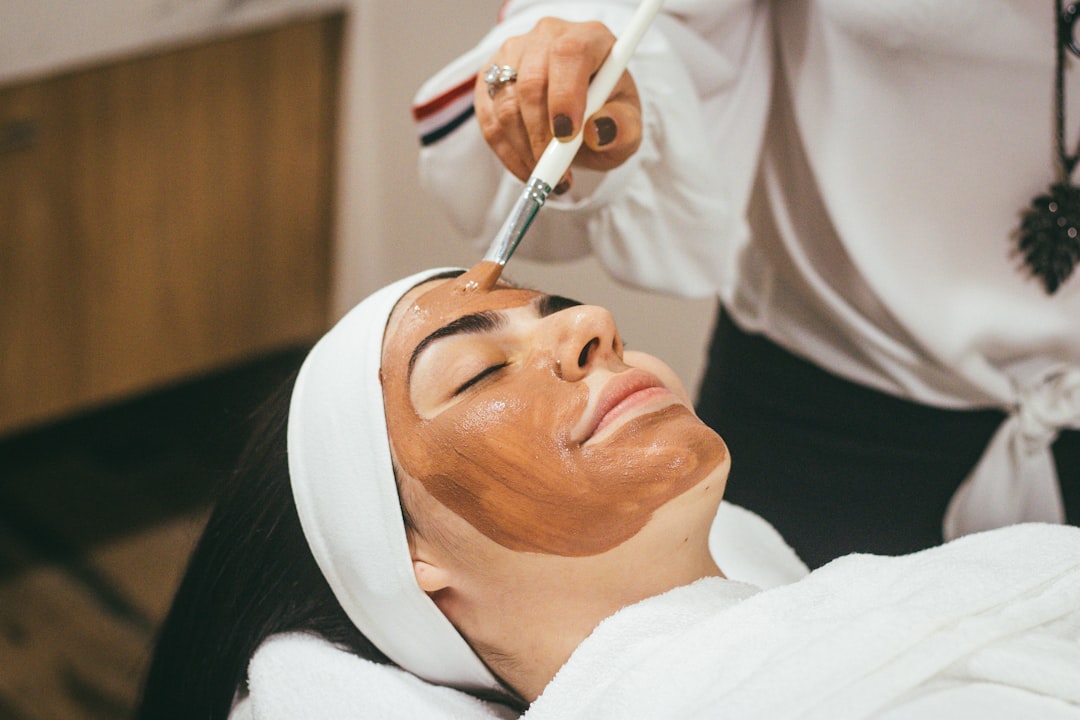
September tends to be the month when patients who've been thinking about microneedling all year finally book. The summer is winding down, sun exposure is decreasing, and the timing just feels right. What many patients don't realize is that they're instinctively correct — and that the reasons go deeper than convenience.
Why Fall Timing Isn't Just Convenient — It's Strategic
Microneedling creates controlled micro-injuries in the skin that trigger the body's healing response — stimulating collagen and elastin production in the weeks and months that follow. That healing response is influenced by what the skin has been through and what it's exposed to during recovery. Coming out of a Denver summer, skin has typically absorbed significant UV radiation, experienced heat-related stress, and may be showing more texture or pigmentation than it did in April. Microneedling in September addresses that accumulated damage at exactly the moment when UV exposure is starting to decrease and recovery conditions are improving.What Microneedling Actually Does (and Why It Works So Well in Skin That's Been Through a Summer)
Microneedling — delivered at AOB with SkinPen — uses fine sterile needles to create precise micro-channels in the skin. The body's response to these micro-injuries is to produce new collagen and elastin, which over time improves skin texture, reduces the appearance of pores, fades some pigmentation, and firms the overall quality of the skin. Summer skin tends to be slightly thicker from UV exposure, and the collagen stimulus from microneedling works with that baseline to produce particularly good texture improvement.Microneedling Downtime: What to Actually Expect
The day of and the day after treatment, skin looks red — similar to a moderate sunburn. By 24 to 48 hours after treatment, most patients find the redness has faded significantly and they're comfortable returning to normal activities. Light peeling may occur in the three to five days following treatment. Most patients are social by day two or three, and fully recovered by the end of the first week.When Can I Wear Makeup After Microneedling
This is one of the most common questions. At AOB, patients are generally advised to wait 24 hours after their appointment before applying makeup. After that, mineral makeup — which is less occlusive and less likely to provoke irritation in still-healing skin — is preferred for the first few days.How Many Sessions Do You Actually Need
For most patients, a series of three sessions spaced four to six weeks apart produces the most significant improvement. Some patients see meaningful results from a single session, particularly those using microneedling for maintenance or subtle texture refinement. Patients addressing more established scarring, significant texture changes, or long-term sun damage typically need the full series — and sometimes more, depending on their goals.What Pairs Well With Microneedling in Fall
September and October are also good windows for MOXI and BBL Hero, both of which address pigmentation and tone in ways that complement what microneedling does for texture and collagen. A patient who does a microneedling series in September and October, paired with one or two MOXI sessions, often sees a more comprehensive result than either treatment alone provides. Jesica and Tara can help design a fall treatment plan that addresses both concerns efficiently.Who Is a Good Candidate for Microneedling
Microneedling is appropriate for most skin types and tones, which is one of its significant advantages over laser treatments that carry higher risks of post-inflammatory hyperpigmentation in darker skin. It's particularly well-suited for patients dealing with fine texture irregularities, enlarged pores, early signs of aging, and the kind of general skin quality decline that doesn't have a single visible cause.Why AOB for Microneedling in Denver
At AOB, microneedling appointments include a real consultation about your skin and goals before the treatment begins. Depth settings, needle configuration, and any topicals used during the procedure are customized based on your skin's specific needs — not applied from a default protocol. That attention to customization is what tends to separate meaningful results from incremental ones.Ready to Book
If September has been on your radar, now is the right time to get on the calendar. AOB serves patients across Denver, Greenwood Village, Cherry Creek, Parker, Castle Rock, and Colorado Springs. Reach out to schedule your consultation and start the process with a skin assessment that tells you exactly what to expect.
read More
More from our blog
Explore articles on skin care, treatments, and wellness.